
Dr.med. Viktor Simunović
Sep 23, 2024Maximizing your online doctor consultations: Tips and tricks
Online doctor consultations are very convenient. However, there are some tips and tricks you can do to maximize it's efficiency.

Telemedicine gained its fame during COVID-19 pandemic and it showed many benefits. Now, telehealth is rising attracting more and more people every day.
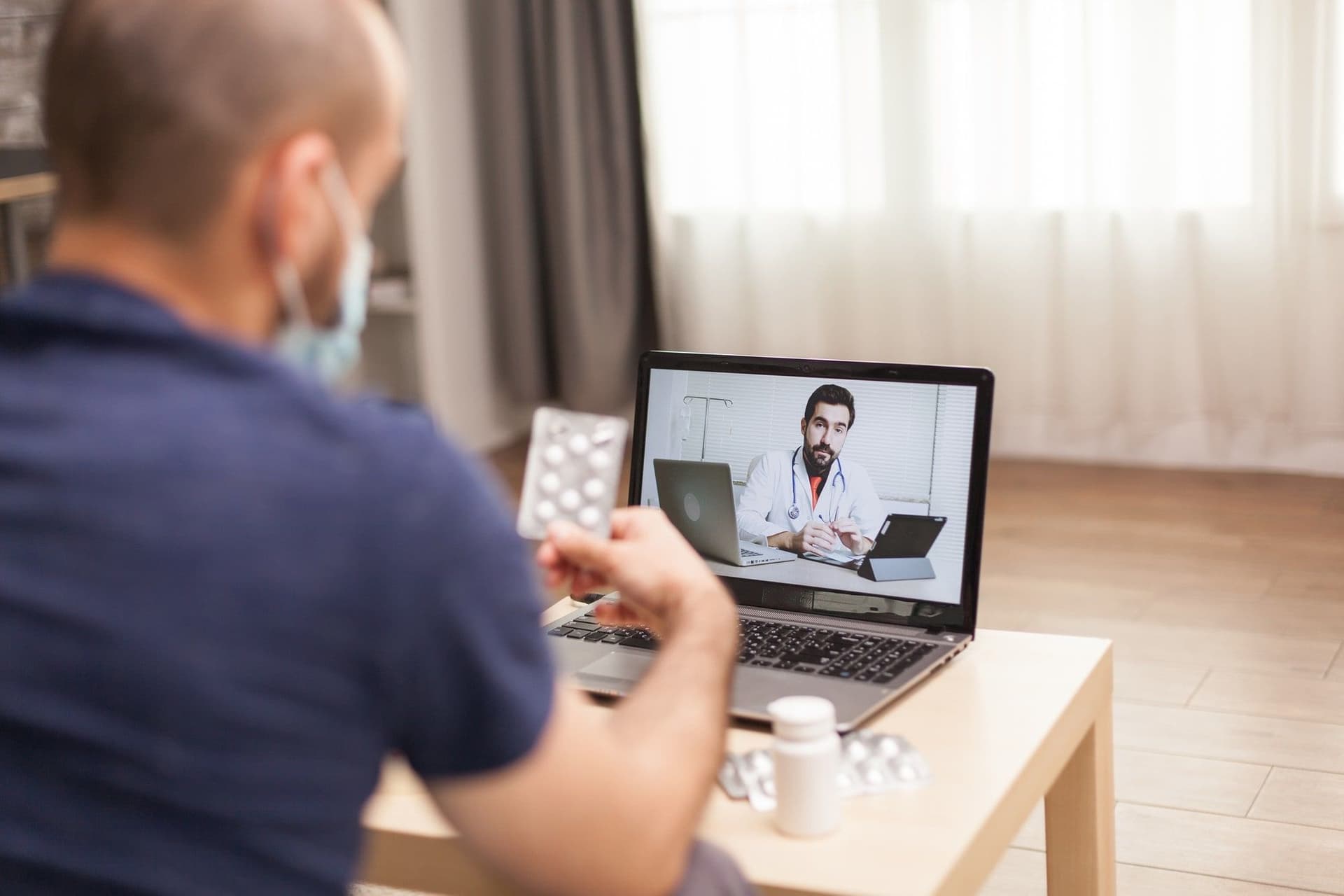
Improvements in technology have made telemedicine more accessible, even to patients who are less tech-savvy. Today, it is easier than ever to book a consultation and get treatment fast and at the time and place of your choice. Telemedicine has numerous benefits, and it is now available to almost anyone.
According to WHO, half of the world's population doesn't have access to basic healthcare because of distance. Telemedicine overcomes geographical barriers. Patients living in rural or remote areas, where healthcare facilities may be sparse or distant, can receive care from specialists in urban centres without needing to travel.
Specialists don't have to be close to patients. They may work in a distant city. Telemedicine allows patients from anywhere to consult with specialists, ensuring access to high-quality care and second opinions.
Telemedicine platforms often allow for greater flexibility in appointment scheduling, including outside of traditional office hours. Now, patients don't need to take time off work, schedule childcare or interrupt their daily routine.
Telemedicine can provide quick consultations and prescriptions for minor medical issues without the need for a physical visit. This is especially convenient for common medical conditions that require simple assessments.
Patients do not have to travel to see a doctor, which saves on transportation or accommodation costs and time.
Traditional visits usually involve waiting rooms and delayed appointments. Telemedicine can significantly cut down on waiting times, as consultations can be scheduled and started promptly. Patients can also get their appointments faster.
Telemedicine platforms often integrate with electronic health records (EHRs), allowing healthcare providers to access patient records regardless of their physical location. This integration is essential for making informed decisions and providing consistent care.
Telemedicine makes it easier for patients to schedule follow-up appointments. This is particularly beneficial for chronic disease management, where regular monitoring is crucial.
With telemedicine, patients have more options in choosing their healthcare provider. It doesn't have to be someone close to them. It can be a doctor in another city or even in a different country.
The most important benefit of telemedicine is comfort. With telehealth platforms, patients can get help and advice from home, where they feel relaxed and protected.
This is especially important for patients with STDs or mental health issues, which are often stigmatized for their condition.
Telemedicine technology bridges geographical barriers, allowing providers to extend their services beyond traditional catchment areas.
Healthcare providers are not limited to seeing patients who can physically visit their offices. They can also reach patients who have mobility issues due to disability, illness, or age directly in their homes.
Providers can also reach patients in culturally and linguistically diverse areas, offering services that might be more culturally and linguistically appropriate than what is available locally.
Telemedicine allows healthcare providers to better manage their time by reducing the need for physical transitions between patient consultations. This includes eliminating delays caused by patient late arrivals or no-shows.
Many telemedicine platforms integrate directly with electronic health records (EHR), allowing for seamless updates to patient records. This integration helps maintain an organized and efficient workflow, reducing the time spent on administrative tasks.
With telehealth, patients can receive help anytime and anywhere. This greatly reduces the likelihood of cancellations due to factors such as transportation issues, bad weather or time constraints.
Providers can more easily adjust their schedules and even extend their service hours, including evenings and weekends, which can accommodate patients' schedules better.
Regular and easy access to healthcare providers can motivate patients to adhere to their scheduled appointments and follow-up treatments.
In cases where cancellations are unavoidable, telemedicine platforms can make rescheduling easier and quicker.
Telemedicine allows for real-time virtual meetings among healthcare providers from various specialities. This is particularly beneficial for complex cases.
During a telemedicine session, a primary care doctor can easily refer a patient to a specialist to consult on the patient's condition in real-time.
Telemedicine platforms can be used for educational purposes, where less experienced healthcare providers can learn from more experienced colleagues through tele-mentoring or tele-education sessions. It also facilitates collaboration among research professionals who are working on clinical trials or other medical research projects.
Telemedicine platforms can integrate with electronic health records (EHR), allowing healthcare providers immediate access to patient histories, previous lab results, and other critical data. This comprehensive view of a patient's health history enables more accurate diagnoses and more personalized care plans.
Telemedicine allows for continuous monitoring of patients with chronic conditions through wearable technology and other remote monitoring tools. Healthcare providers can receive real-time updates on a patient's vital signs, blood sugar levels, heart rate, and more. This constant flow of data provides a more detailed assessment, helping providers detect potential issues before they become severe.
Telemedicine eliminates the need for physical contact between healthcare providers and patients. This is particularly beneficial during outbreaks of highly infectious diseases, such as influenza or COVID-19.
Individuals with compromised immune systems, the elderly, or those with chronic diseases are more susceptible to contracting infections in healthcare settings. Telemedicine allows these vulnerable groups to receive care from the safety of their homes.
Traditional healthcare settings can sometimes become crowded, especially during peak seasons for certain illnesses (like flu season). Crowded facilities increase the likelihood of disease transmission among patients, staff, and visitors.
Many visits to emergency departments are for issues that could be handled in a less urgent care setting. Telemedicine allows patients to consult with healthcare providers for non-emergent issues such as mild infections, minor injuries, or chronic disease management.
Through virtual consultations, healthcare providers can determine the severity of a patient's condition and decide whether they need to visit an emergency room or if they can be treated at home or in an outpatient setting.
Many telemedicine services offer around-the-clock access to medical advice, which can dissuade patients from visiting emergency rooms after hours for non-urgent care.
With telemedicine, healthcare providers can reduce the overhead costs associated with maintaining physical space because fewer patients need to be accommodated on-site.
By making healthcare more accessible, telemedicine can prevent complications and worsening of conditions that might otherwise result in costly treatments or surgeries. Early intervention and regular monitoring can keep healthcare costs down.
Telemedicine can help triage patients to the appropriate level of care, optimizing the use of healthcare resources and reducing wasteful spending on unnecessary services.
Regular and easy access to healthcare services through telemedicine encourages a preventive approach to health. Preventive care can be more cost-effective than treating diseases after they have developed.
Hospitals and clinics are huge systems with many departments that need to work together. Streamlining workflow through telemedicine platforms enhances cooperation between platforms and provides better process monitoring.
With its many benefits, telemedicine is the future of healthcare. With AI and IoT integration it can even more improve healthcare availability and treatment outcomes.
Online doctor consultations are very convenient. However, there are some tips and tricks you can do to maximize it's efficiency.
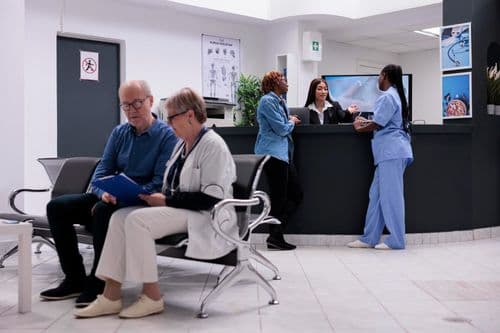
When going to the doctor, patients have two options: telemedicine or in-person visits. Both of these options have advantages and disadvantages.

The digital age has revolutionized healthcare, bringing medical expertise to our fingertips through online doctor consultations. As this innovative approach to healthcare gains traction, patients are eager to understand its nuances and capabilities.
to get the latest news about health from our experts