
Dr.med. Viktor Simunović
Oct 12, 2026Hair Loss: What's Normal, What's Not, and What Actually Helps
Some shedding is normal, especially in autumn. Learn what is typical, which signs deserve a proper look, and why guessing rarely works.

When going to the doctor, patients have two options: telemedicine or in-person visits. Both of these options have advantages and disadvantages.
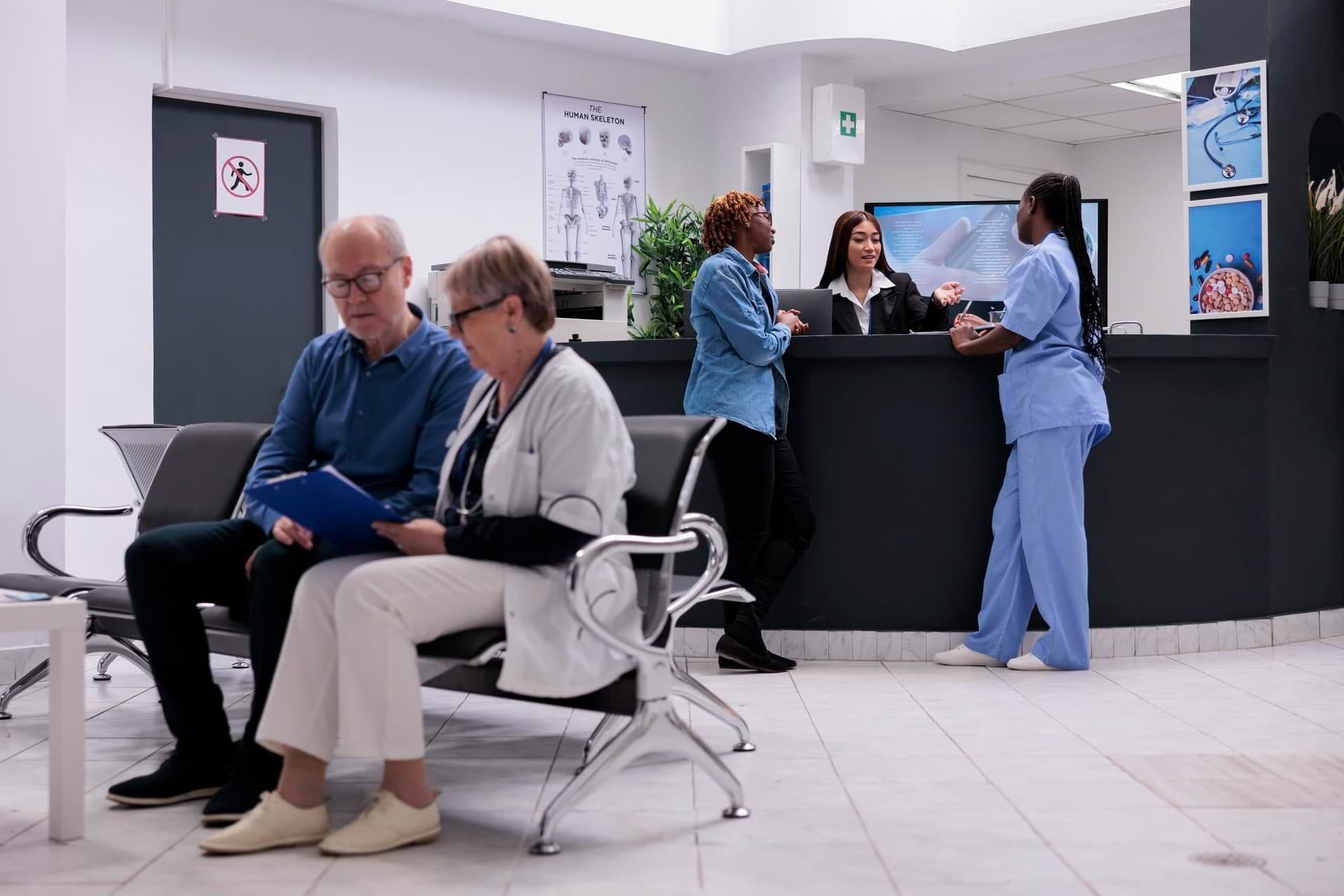
As telemedicine gains traction, it's important to examine the benefits and limitations of virtual consultations compared to face-to-face appointments. This article explores the key differences between online doctor consultations and in-person visits, considering factors such as accessibility, cost, quality of care, and patient satisfaction.
By weighing the pros and cons of each approach, we aim to provide insights that will help individuals make informed decisions about their healthcare choices in the digital world.
Telemedicine is a transformative approach to healthcare delivery that leverages advanced telecommunications and digital technologies to bridge the gap between patients and medical professionals across geographical boundaries.
At its core, telemedicine is about extending the reach of medical expertise beyond the confines of traditional healthcare settings. It enables us to provide timely, specialized care to patients who might otherwise face significant barriers to access, whether due to distance, mobility issues, or resource constraints.
You can schedule appointments with your doctor and receive assistance using only a mobile phone or computer.
While online consultations offer numerous advantages, they are not suitable for all medical situations. In-person visits remain crucial for physical examinations, certain diagnostic procedures, and emergencies.
Physical examination
In-person visits allow for thorough physical examinations, which are essential for accurate diagnoses and treatment plans. Palpation, auscultation, and direct observation provide invaluable clinical information that cannot be fully replicated virtually. This hands-on approach enables the detection of subtle physical signs that might otherwise go unnoticed.
Non-verbal communication
Face-to-face interactions facilitate the observation of non-verbal cues, body language, and subtle behavioral indicators. These elements are critical in assessing a patient's well-being, mental state, and potential undisclosed concerns. Such nuanced communication can be challenging to interpret accurately through video consultations.
Building rapport and trust
In-person visits foster stronger doctor-patient relationships. The physical presence of a healthcare provider can offer reassurance and comfort, particularly for patients dealing with sensitive or complex medical issues. This personal connection often leads to improved patient compliance and more open communication.
Comprehensive care
On-site appointments allow immediate diagnostic tests, specimen collection, and physical interventions when necessary. This streamlined approach can expedite the diagnostic process and promptly initiate treatment, potentially improving patient outcomes.
Telemedicine offers a valuable alternative to in-person visits in numerous scenarios. Telemedicine provides a convenient and efficient option for routine follow-up appointments, especially those involving chronic condition management or medication adjustments.
Virtual consultations can significantly benefit patients with mobility issues or those living in remote areas, eliminating travel-related barriers to care.
Mental health services, including therapy sessions and psychiatric evaluations, are often well-suited to telemedicine, as they primarily rely on verbal communication.
Telemedicine can facilitate rapid assessment and treatment recommendations for minor acute illnesses, such as cold symptoms or mild skin conditions.
Telemedicine reduces exposure risks associated with in-person visits for patients with compromised immune systems. Additionally, post-operative check-ins that don't require physical examination can be effectively conducted via telemedicine.
In situations where timely specialist consultations are needed, telemedicine can expedite the process, particularly in areas with limited access to specialized care.
Telemedicine is crucial for maintaining continuity of care while minimizing the risk of disease transmission during public health emergencies or pandemics.
In-person medical consultations are preferable when physical examination, immediate intervention, or complex diagnostic procedures are necessary. Acute conditions requiring urgent care, such as severe abdominal pain, chest pain, or difficulty breathing, warrant an in-person visit to assess vital signs and perform necessary tests promptly.
Chronic conditions that have worsened or are not responding to current treatment plans may also necessitate a face-to-face evaluation to adjust management strategies effectively.
Physical examinations for routine check-ups, vaccinations, or screenings such as Pap smears or colonoscopies cannot be conducted remotely and require an in-office visit.
Neurological issues, including unexplained headaches, dizziness, or changes in vision or hearing, often demand a hands-on assessment to diagnose and treat accurately. Mental health concerns that involve safety risks or require a comprehensive assessment of body language and nonverbal cues are best addressed in person.
Suspected fractures, severe sprains, or other musculoskeletal injuries benefit from in-person evaluation and potential imaging studies.
Additionally, any condition requiring immediate medical procedures, such as suturing wounds or draining abscesses, necessitates an in-person visit to a healthcare facility.
When symptoms are vague, complex, or difficult to describe, a physical examination can provide crucial information that may not be obtainable through telemedicine.
The comparison between telemedicine and in-person visits reveals that neither option is universally superior. The choice between these two healthcare delivery modes ultimately depends on each patient's specific circumstances and medical situation.
Telemedicine offers convenience, accessibility, and cost-effectiveness, making it ideal for routine check-ups, minor ailments, and follow-up appointments. In contrast, physical visits remain essential for complex diagnoses, hands-on examinations, and emergencies.
Some shedding is normal, especially in autumn. Learn what is typical, which signs deserve a proper look, and why guessing rarely works.

Online doctor consultations are very convenient. However, there are some tips and tricks you can do to maximize it's efficiency.

The digital age has revolutionized healthcare, bringing medical expertise to our fingertips through online doctor consultations. As this innovative approach to healthcare gains traction, patients are eager to understand its nuances and capabilities.
to get the latest news about health from our experts