
Dr.med. Viktor Simunović
Sep 23, 2024Maximizing your online doctor consultations: Tips and tricks
Online doctor consultations are very convenient. However, there are some tips and tricks you can do to maximize it's efficiency.

Telemedicine seem like rather new technology in healthcare. That is why it is surrounded by many myths.
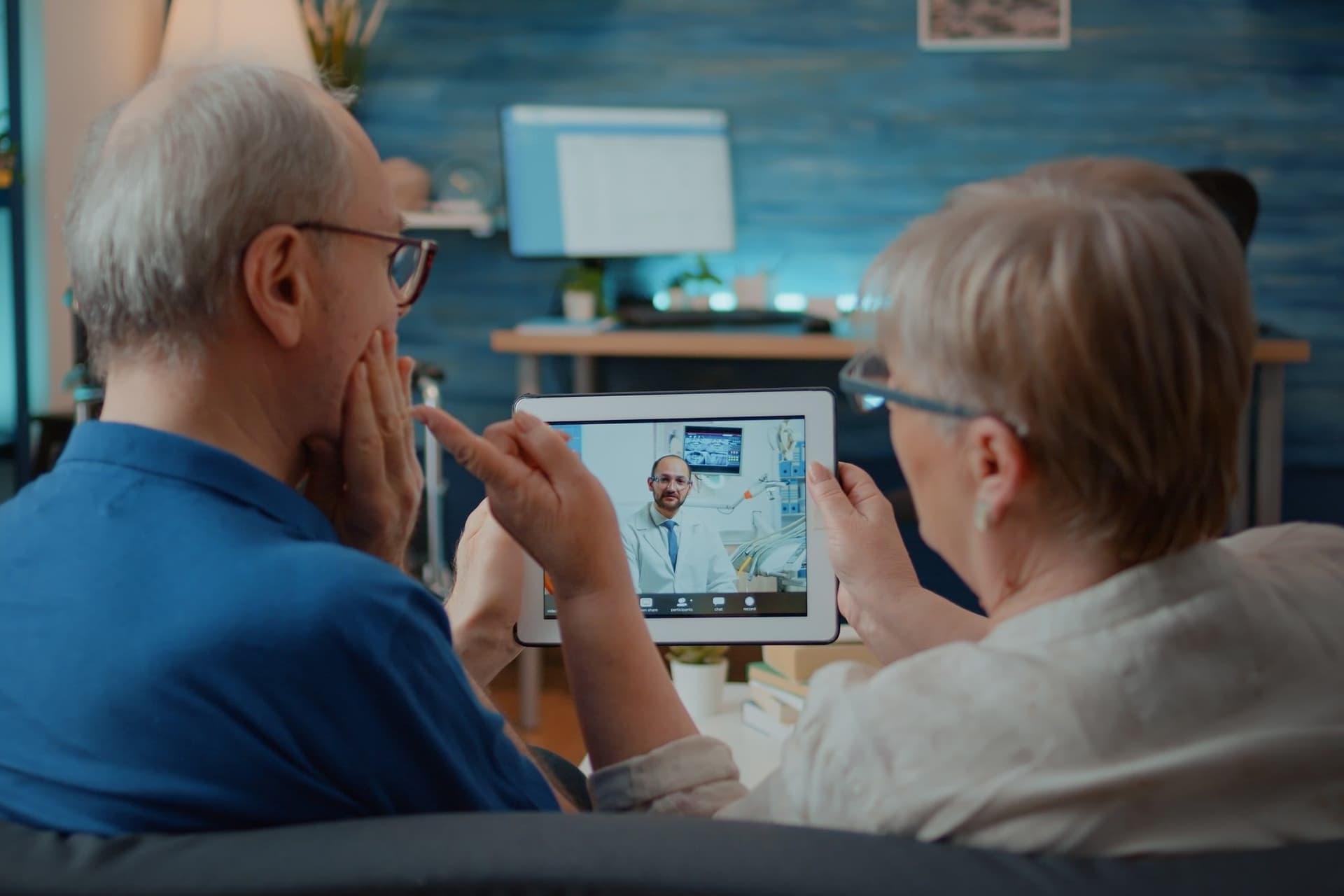
As with any transformative technology, telemedicine has many misconceptions and myths that can hinder its acceptance and utilization. These myths range from concerns about the quality of care to misunderstandings about accessibility and privacy.
This article aims to dispel 15 prevalent myths about telemedicine, offering clarity and insight into how this modern approach to healthcare can enhance patient experiences, improve outcomes, and expand access to medical services for diverse populations.
Telemedicine dates back to the early 20th century. One of the earliest recorded uses was in the 1920s when radiology images were sent between hospitals via telephone. The National Aeronautics and Space Administration (NASA) also used telemedicine to monitor astronauts' health in the 1960s.
Numerous peer-reviewed studies have demonstrated the effectiveness of telemedicine in diagnosing, treating, and managing various medical conditions. These studies show that telemedicine can improve patient outcomes, increase access to care, and reduce healthcare costs.
Telemedicine is subject to various regulations to ensure patient safety, privacy, and quality of care. Physicians and healthcare providers offering telemedicine services must be licensed in the state where the patient is located.
Telemedicine providers are subject to the same medical malpractice laws and professional liability standards as in-person providers. They must maintain appropriate malpractice insurance coverage for telemedicine services.
Telemedicine offers significant convenience for people living in urban areas with busy schedules and mobility issues or who prefer not to commute to a healthcare facility. It can save time and reduce the need to take time off work or arrange childcare.
Telemedicine services often include consultations with licensed healthcare providers who can evaluate a patient's condition and, if appropriate, prescribe medication. These prescriptions can be sent electronically to a pharmacy for the patient to pick up, just as they would with an in-person visit.
High-definition video calls allow doctors to inspect patients visually. They can observe symptoms such as rashes, swelling, or other visible conditions. Audio communication helps assess issues like coughs or breathing difficulties.
Modern telemedicine leverages various remote monitoring devices that patients can use at home. These include blood pressure cuffs, glucose monitors, pulse oximeters, and digital stethoscopes that transmit data directly to healthcare providers.
Telemedicine providers must comply with stringent regulations such as the Health Insurance Portability and Accountability Act (HIPAA) in the United States, the General Data Protection Regulation (GDPR) in Europe, and other regional data protection laws. These regulations mandate strict standards for the security and confidentiality of patient data.
Some medical conditions necessitate a hands-on physical examination, diagnostic tests, or procedures that can't be performed remotely. For example, surgeries, certain diagnostics like X-rays or MRIs, and some treatments require the patient to be physically present.
Follow-up visits after surgeries or treatments often require a physical assessment to ensure proper healing and recovery. Continuity of care necessitates periodic in-person visits to comprehensively understand a patient's health.
Telemedicine does not burden the healthcare system; rather, it provides numerous benefits that streamline and enhance the efficiency of healthcare delivery.
Telemedicine can significantly reduce the time needed for consultations. Providers can see more patients in less time, and patients save time by not having to travel to appointments. This efficiency can reduce wait times and streamline the care process.
Telemedicine helps lower healthcare costs by reducing the need for in-person visits. It decreases medical facility overhead costs and reduces out-of-pocket patient expenses, such as travel and childcare costs.
During the COVID-19 pandemic, telemedicine was crucial in maintaining healthcare services while minimizing the risk of virus transmission. It allowed continuous care without overwhelming healthcare facilities.
Modern telemedicine platforms use high-definition video, secure communication channels, and sophisticated diagnostic tools that allow doctors to assess patients accurately.
Telemedicine facilitates better follow-up and continuous monitoring. Patients with chronic conditions can have more frequent check-ins, allowing for timely adjustments to treatment plans.
Electronic Health Records (EHRs) and integrated health systems enable seamless patient data, lab results, and imaging sharing between healthcare providers, ensuring well-informed telemedicine consultations.
Through telemedicine, patients can access a wide range of specialists, including mental health professionals, dermatologists, and endocrinologists, without traveling, which can be particularly beneficial for those in rural or underserved areas.
Many telemedicine platforms are designed with simplicity in mind. They often feature intuitive interfaces, large buttons, and clear instructions, making them accessible even to non-tech-savvy users.
Many healthcare providers offer assistance and training to help seniors get comfortable with telemedicine. This can include step-by-step guides, instructional videos, and even one-on-one coaching sessions.
Seniors often rely on family members or caregivers to help them navigate telemedicine platforms. This support can significantly help them overcome any initial hurdles.
Telemedicine is often perceived as suitable only for minor health issues, but this is a significant misconception. Telemedicine encompasses a wide range of healthcare services and is effective for numerous conditions, including chronic disease management, mental health support, and post-operative care.
Patients save money on transportation costs, whether fuel, parking fees, or public transit fares, especially for those living in rural or remote areas.
Both patients and healthcare providers save time. Patients don't have to take significant time off work or arrange for childcare to attend appointments; providers can see more patients in a shorter amount of time.
Many telemedicine services offer flexible pricing models, including subscription services, pay-per-visit, or bundled packages, making it easier for patients to find an option that fits their budget.
With the increasing acceptance of telemedicine, many private insurance companies and government programs like Medicare and Medicaid have expanded their coverage to include telehealth services.
The extent of coverage can vary based on the insurance provider and the specific plan. Some plans may cover a wide range of telehealth services, while others might have limitations. Patients need to check with their insurance provider to understand the specifics of their coverage.
Most telemedicine services are designed to work on common devices such as smartphones, tablets, and computers. If you have a device that can access the internet and has a camera and microphone, you're likely equipped for a telemedicine appointment.
Often, the only software you need is a web browser or a simple app that can be downloaded for free. These apps are typically lightweight and easy to install.
Telemedicine can be used for initial assessment and triage. Patients or caregivers can connect with healthcare providers via video calls to describe symptoms and receive instant guidance on whether to go to an emergency room or if the situation can be managed differently.
Telemedicine allows for immediate consultation when a specialist's opinion is needed quickly. For example, neurologists can assess patients remotely in stroke cases to determine if they need to be treated with clot-busting drugs.
In remote or underserved areas, on-site medical personnel can consult with specialists via telemedicine to get guidance on managing the emergency until the patient can be transported to a better-equipped facility.
Telemedicine is particularly effective in managing mental health crises. Immediate access to mental health professionals can provide critical support and intervention, potentially preventing the situation from escalating.
Online doctor consultations are very convenient. However, there are some tips and tricks you can do to maximize it's efficiency.
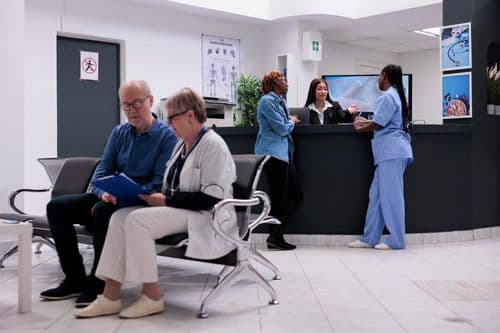
When going to the doctor, patients have two options: telemedicine or in-person visits. Both of these options have advantages and disadvantages.

The digital age has revolutionized healthcare, bringing medical expertise to our fingertips through online doctor consultations. As this innovative approach to healthcare gains traction, patients are eager to understand its nuances and capabilities.
to get the latest news about health from our experts