
Dr.med. Viktor Simunović
Sep 12, 2024Online doctor consultations vs. in-person visits
When going to the doctor, patients have two options: telemedicine or in-person visits. Both of these options have advantages and disadvantages.

Some shedding is normal, especially in autumn. Learn what is typical, which signs deserve a proper look, and why guessing rarely works.

Hair loss is one of those things everyone quietly worries about and almost no one talks about openly - which is exactly why so many people end up guessing rather than getting a real answer.
First, what's actually normal
Losing hair is not automatically a problem. On average:
Signs worth a proper look
The usual suspects behind hair loss
Because treatment depends heavily on the cause, it helps to understand the range of possibilities:
Why guessing rarely works
It's tempting to try whatever product is trending, but because the causes above respond to completely different approaches, a treatment aimed at the wrong cause tends to do very little — and wastes months you could have spent on something that actually helps.
What a consultation looks like
The takeaway
A little shedding is nothing to worry about. A real, ongoing change in thickness or density is worth an actual assessment rather than another round of guessing — especially since the earlier it's addressed, the more options tend to be available.
It's also worth being patient with whatever approach you land on: most hair treatments, whether behavioural or prescribed, take several months of consistent use before any real change becomes visible. Expecting results within a couple of weeks is one of the most common reasons people give up on something that was actually working.
When going to the doctor, patients have two options: telemedicine or in-person visits. Both of these options have advantages and disadvantages.

The digital age has revolutionized healthcare, bringing medical expertise to our fingertips through online doctor consultations. As this innovative approach to healthcare gains traction, patients are eager to understand its nuances and capabilities.
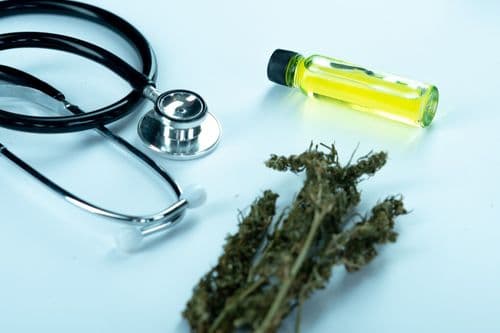
Cannabis or marijuana is getting more and more popular not just as illegal drug but also as medicine. Some countries adapted to that trend.
to get the latest news about health from our experts